Heed the dengue warning
5 days ago - Columnists
Opinion | Columnists
By Admin User
Jul 1, 2026 - 1 min read
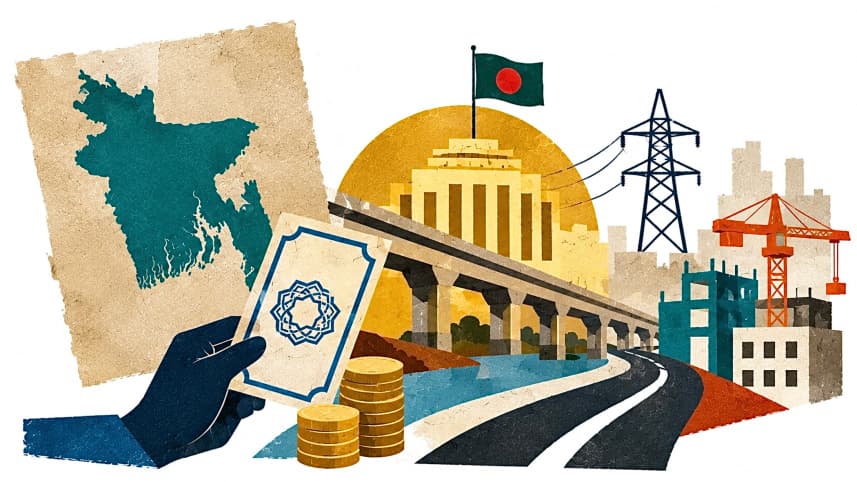
<div>This week marked another milestone for Islamic finance in Bangladesh. On June 28, the central bank auctioned the country’s first-ever short-term sukuk, a nine-month instrument, to raise Tk 5,500 crore for rural infrastructure. By that measure, the programme is thriving.</div><div><br></div><div>And yet, more than five years after Bangladesh issued its first sovereign sukuk in December 2020 to fund a national safe water project, a quieter truth has set in. The sukuk works, but the market it was supposed to build does not. With more than Tk 53,000 crore raised so far, and Tk 30,000 crore more planned next fiscal year, it’s time to ask why all this activity has not produced a real Islamic capital market.</div>
<div>The answer lies in a choice made at the beginning. Every sovereign sukuk Bangladesh has issued follows the same recipe: the government hands an existing public asset—a water network, schools, or rural roads—to the Bangladesh Bank, which acts as a holding vehicle. BB leases it back to the government. Investors receive a fixed “rent” until the deal ends, at which point the government buys it back at the original price.</div><div><br></div><div>Strip away the terminology and it is a sale-and-leaseback. The state sells something it already owns, rents it back, and promises to buy it again. Financiers call this asset-based sukuk, not asset-backed sukuk. The distinction matters. In an asset-backed structure, investors genuinely own the asset and share in its risks and returns. In an asset-based one, the asset is mostly a legal formality. Investors rely on the government’s promise to pay.</div><div><br></div>