Heed the dengue warning
5 days ago - Columnists
Opinion | Columnists
By Admin User
Jul 1, 2026 - 2 min read
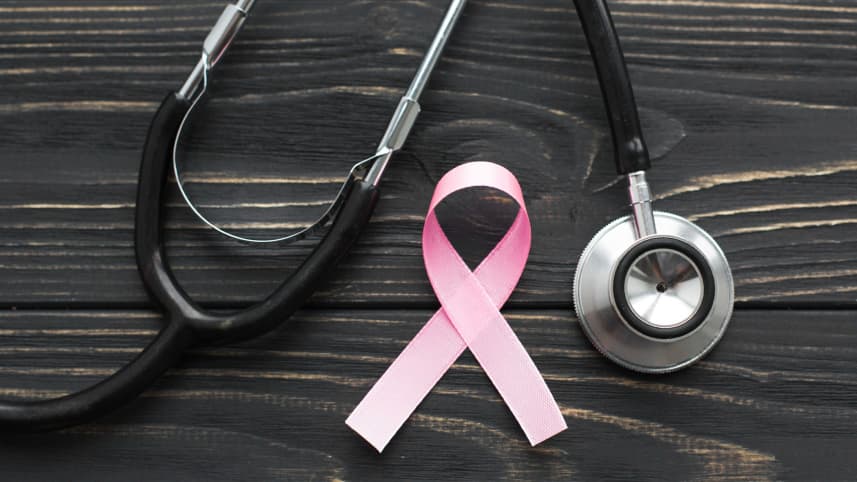
<p>Bangladesh has made significant progress in reducing child and maternal mortality and infectious diseases over the past few decades. But non-communicable diseases like breast cancer and cervical cancer are still rapidly expanding. Every year, an estimated 13,000-15,000 women develop breast cancer and 8,000-9,000 women develop cervical cancer in the country. In fact, breast cancer is the most commonly diagnosed cancer among women (nearly 36 percent), followed by cervical cancer (more than 11 percent). And women from poor, marginalised and underserved communities are bearing the greatest burden of these diseases.</p><p>Most patients seek medical care only when the disease reach late stages and treatment becomes more complex and expensive. As a result, the likelihood of recovery decreases substantially, families face significant financial hardship, and premature death often becomes unavoidable.</p><p>Google News LinkFor all latest news, follow The Daily Star's Google News channel.</p><p>In a country where nearly three-quarters of health expenditure is still paid out of pocket, cancer is not merely a health issue but a profound social and economic crisis, with multiple biological, social, environmental and health-system factors interacting to increase the risk.</p>
<p>For breast cancer, advancing age, family history, obesity, physical inactivity, unhealthy dietary habits, environmental pollution, and prolonged exposure to chemicals and heavy metals are important risk factors.</p><p>Heavy metal contamination, particularly lead pollution, has emerged as a growing public health concern in Bangladesh in recent years. A large proportion of these batteries are recycled or discarded through unsafe and unregulated methods, which leads to toxic lead getting released into the environment, from where it can enter the human body and increase the risk of cancer.</p><p>Although the country has an extensive network of community clinics, union health and family welfare centres, and upazila health complexes, many of these facilities suffer from shortages of personnel, limited service capacity, inadequate supervision, insufficient equipment, and shortages of medicines. The situation is even more challenging in urban areas, where effective primary healthcare services are largely absent. Consequently, most people, especially women, lack access to regular health counselling, preventive screening, and early diagnosis services.</p>