Heed the dengue warning
5 days ago - Columnists
Opinion | Columnists
By Admin User
Jul 1, 2026 - 2 min read
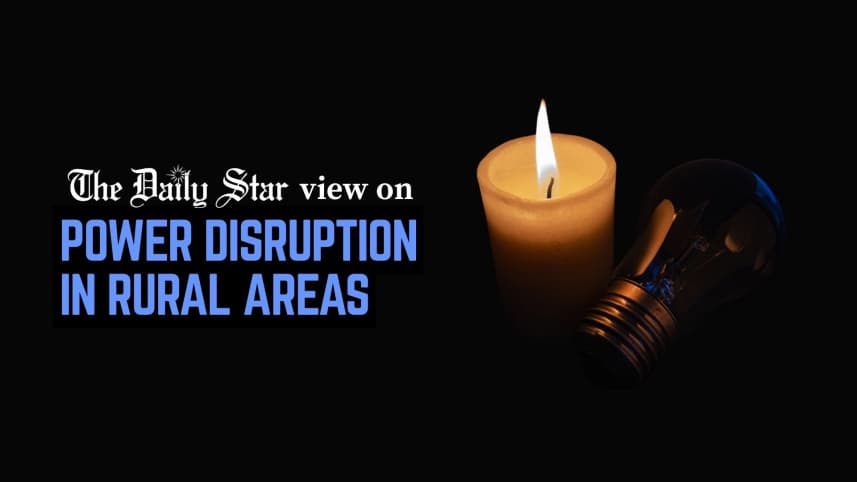
<div class="block block-layout-builder block-field-blocknodenewsfield-sub-headline" style="border-color: currentcolor; margin: 0px 0px 20px; color: rgb(40, 48, 59); font-family: "IBM Plex Serif", serif;"><span style="border-color: currentcolor;">Rural areas should not have to bear such a severe electricity supply crunch</span></div>
<div>Power distribution between rural and urban areas in Bangladesh is not just unfair, it almost borders on human rights violations. In the unbearable summer heat, villagers are forced to live without electricity for 12-14 hours. Many cannot sleep properly, their children fall sick, their education gets hampered. What’s worse, many farmers cannot run irrigation pumps due to prolonged power cuts. Although this happens almost every summer, this year, the last two weeks have been the worst. According to a report by Prothom Alo, many customers of the Bangladesh Rural Electrification Board (BREB) have been experiencing 17-42 percent load-shedding. In recent weeks, load-shedding in rural areas sometimes accounted for about 96 percent of the country’s total power supply shortage.</div><div><br></div><div><br></div><div>The consequence has been equally concerning. Rural customers, frustrated by long hours of power outages, have attacked and vandalised sub-station offices, sometimes assaulting line crews. Prothom Alo reported that such incidents happened in at least 14 places in 10 districts. The situation has been terrifying even for Palli Bidyut Samity officials, who requested police protection in many places. Meanwhile, the BREB and four MPs wrote to the Ministry of Power, Energy and Mineral Resources requesting increased power supply to meet the current crisis.</div>
<div>Power outages persist, disrupt life, businesses</div><div>In an equitable society, such appeals should not have been necessary. But in Bangladesh, while we keep talking about rural development, we continue to deprive rural areas of basic necessities. Even businesses in non-urban areas are facing the crisis. A report by this daily quoted a Gazipur food processing factory owner whose industrial output had to be halved in recent weeks because of power outages. Even the frozen shrimp exporting industry is struggling because aerators cannot run during power cuts, risking damage to the shrimp stocks.</div>